
Formatting services for self-published authors play a critical role in turning a finished manuscript into a professional, publish-ready book. While self-publishing gives authors full creative control, it also means managing design tasks that traditional publishers handle, especially book formatting.
From typography and layout to print-ready file preparation, professional formatting ensures your book looks polished, reads smoothly, and meets platform requirements for Amazon KDP, IngramSpark, and other distributors.
Understanding what book Formatting services for self-published authors include, how the process works, and what costs to expect helps self-published authors make smarter design decisions and avoid costly mistakes.
TL;DR
- Formatting services for self-published authors turn a finished manuscript into a professional, publish-ready book.
- These services handle typography, layout, ebook formatting, and print-ready files for platforms like Amazon KDP and IngramSpark.
- Costs vary based on book length, complexity, and format, but professional formatting improves readability, credibility, and reader trust making it a worthwhile investment for serious authors.
What Book Formatting Actually Means for Self-Publishing
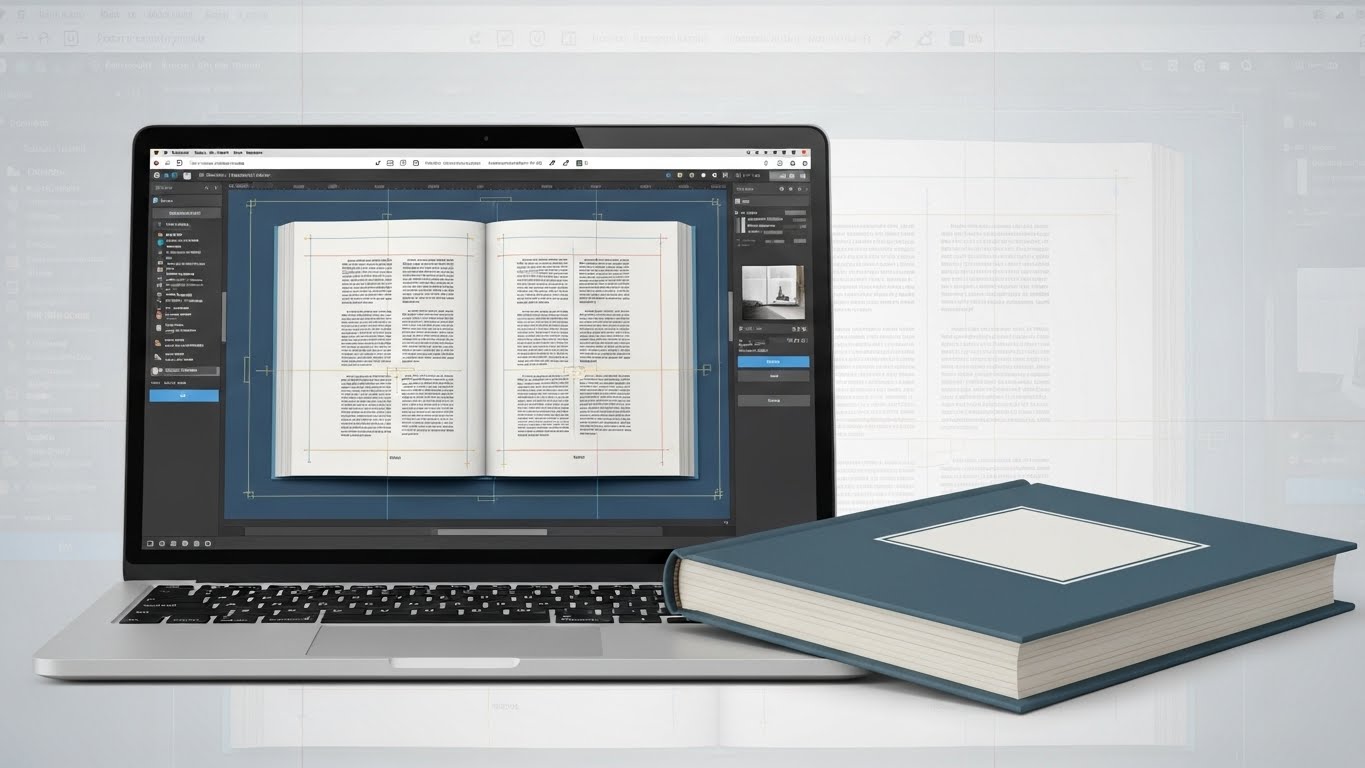
Book formatting, sometimes called typesetting or layout design, involves taking your completed manuscript and preparing it for publication.
This goes far beyond simply converting a Word document to PDF. Professional formatting also ensures your book meets platform-specific requirements for print and ebooks on marketplaces like Amazon KDP,IngramSpar including margins, font embedding, and file types.
For print books, formatting includes selecting appropriate fonts, establishing margins and gutters, setting line spacing, creating running headers and footers, designing chapter headings, positioning page numbers, and ensuring proper pagination.
Professional formatters also apply proven typography in book layout principles to improve readability and reduce reader fatigue. For ebooks, it involves creating clean HTML/CSS code, embedding metadata, building a functional table of contents with hyperlinks, optimizing images, and testing across multiple devices and reading apps.
Types of Formatting Services Available for Self-Published Authors
Basic Formatting services for self-published authors handle straightforward text-based books, such as novels or memoirs. These books contain primarily text with simple chapter breaks and minimal special elements. The formatter will apply professional typography standards, create consistent chapter styling, and ensure the book meets both print and eBook specifications. Pricing typically ranges from $50 to $300, depending on book length and whether you need print, ebook, or both formats.
Standard formatting services accommodate more complex needs such as books with images, tables, charts, or special text elements like poetry, recipes, or dialogue-heavy scripts. These require more careful positioning and styling decisions. Expect to pay between $300 and $800, with prices increasing based on the number of images and complexity of layouts.
Premium formatting or design services go beyond technical formatting to include custom design elements. This might involve ornate chapter headings, custom drop caps, decorative page borders, unique typography choices, or illustrated elements throughout. Photography books, cookbooks, children’s books, and coffee table books often require this level of service, with costs ranging from $800 to several thousand dollars.
The Formatting Process for Self-Published Authors
When you hire a formatter, the process typically begins with an initial consultation. You’ll discuss your vision for the book, target audience, genre conventions, and any specific requirements. The formatter will ask about your manuscript status, desired formats (print, ebook, or both), trim size for print editions, and timeline expectations.
You’ll then submit your manuscript, usually as a clean Word document with minimal formatting. Professional formatters prefer to start with simple, unformatted text rather than heavily styled documents, as existing formatting often needs to be stripped away. Include any images as separate high-resolution files with clear instructions about where they should appear.
The formatter creates a first proof or draft layout. This is your opportunity to review the overall design, typography choices, chapter styling, and image placement. You’re not proofreading the text at this stage to focus on the visual design and layout elements. Most services include two to three rounds of revisions in their base price.
After you approve the design, the formatter implements your requested changes and prepares final files.
- For print books, this means press-ready PDFs with proper bleeds and trim marks.
- For ebooks, you’ll receive EPUB or MOBI files ready to upload to your chosen platform.
Many formatters also provide a style guide documenting all design choices for future editions or series consistency.
This attention to detail ensures your book is delivered as print-ready design files that meet industry publishing standards.
What’s Included in Professional Book Formatting Services
Most formatting packages include creating a professional interior layout with appropriate fonts, margins, and spacing. The formatter styles chapter headings consistently throughout the book, adds running headers and footers with the book title, author name, or chapter titles, positions page numbers correctly, and creates a clean, easy-to-navigate table of contents for both print and digital editions.
For books that include images, professional formatters handle the proper placement and sizing of photos or illustrations, though this may come at an additional cost depending on complexity.
They also create essential front matter such as the title page, copyright page, and dedication, as well as back matter like the “About the Author” and “Also by This Author” sections.
They’ll also manage technical production details like embedding fonts in PDFs, setting correct margins, trim sizes, and bleeds for print files, and preparing interior layouts to meet professional distribution standards such as those outlined in IngramSpark’s file creation guidelines.
For ebooks, this includes adding metadata, ensuring device compatibility, and formatting files that upload cleanly to major publishing platforms.
What’s Usually NOT Included
Formatting services don’t include content editing, proofreading, or correcting errors in your manuscript. The formatter works with the text you provide, assuming it’s already been edited and proofread. If they notice obvious errors, they may point them out, but catching typos isn’t their primary job.
Original design work beyond formatting typically costs extra. If you want a custom illustrated border around every page or hand-drawn chapter heading ornaments, that’s design work separate from formatting. Similarly, cover design is a different service entirely and not included in interior formatting packages.
Most formatters don’t provide ISBN numbers, although they can show you where to obtain them. They also won’t handle the actual uploading or publishing of your book to platforms that remains your responsibility, though many offer it as an add-on service.
Choosing the Right Formatter
Look for formatters with experience in your specific genre. A formatter who specializes in textbooks may not be the best choice for your romance novel, and vice versa. Review their portfolio to ensure their aesthetic matches what you envision for your book.
Ask about their revision policy. How many rounds of changes are included? What happens if you need additional revisions beyond that? Understand their timeline formatting can take anywhere from a few days to several weeks depending on complexity and their current workload.
Inquire about file deliverables. Will you receive source files or only final PDFs? If you need to make changes later, having editable source files can be valuable. Confirm they understand the specifications for your intended publishing platform, as different services have different requirements.
Cost Factors That Affect Pricing
Book length is the primary cost driver; a 200-page novel costs significantly less to format than an 800-page epic. The number and complexity of images impacts pricing substantially, as each image requires individual attention for sizing, placement, and resolution.
Books with special formatting needs like poetry (with specific line breaks and indentation), plays (with character names and dialogue formatting), or academic texts (with footnotes, endnotes, and citations) typically cost more. Multiple format requirements increase costs as well preparing both print and ebook versions takes more time than formatting for just one format.
Rush jobs command premium pricing, sometimes 50-100% more than standard timelines. If you need your book formatted in a week rather than three or four weeks, expect to pay accordingly.
Red Flags to Watch For
Be cautious of formatters offering extremely low prices that seem too good to be true they usually are. Professional formatting requires specialized skills and time, and prices significantly below market rates often indicate inexperienced formatters or those using automated tools without proper quality control.
Avoid formatters who can’t provide samples of previous work or who have no online presence or reviews. Similarly, be wary of those who claim they can format any type of book in just a day or two quality work takes time.
Ensure clear contracts specifying exactly what’s included, the number of revision rounds, delivery timeline, and payment terms. Lack of clarity upfront often leads to disputes later.
DIY vs. Professional Formatting
Many self-published authors consider doing their own formatting to save money. For simple text-based books like straightforward novels, this is certainly possible with tools like Vellum (Mac only), Atticus, or Reedsy’s free editor. These platforms have made DIY formatting more accessible than ever.
However, professional formatting offers significant advantages. Formatters understand typography principles that most authors don’t have proper hyphenation settings, widow and orphan prevention, appropriate leading and kerning. They know how to handle the technical challenges that arise with complex layouts, images, or special formatting needs.
Perhaps most importantly, professional formatting frees you to focus on what you do best writing and marketing your book. The time you’d spend learning formatting software and troubleshooting technical issues might be better invested in writing your next book or connecting with readers.
Preparing Your Manuscript for Formatting
You can help formatters work more efficiently by delivering a clean manuscript. Use a single space after periods, apply styles using Word’s heading features rather than manually bolding text, avoid excessive manual formatting, and clearly mark where images should appear with placeholders.
Provide high-resolution images (300 DPI for print) as separate files rather than embedded in the document. Create a separate document listing any special instructions, such as specific pages that should be left blank or unusual formatting requirements for certain sections.
Having your manuscript professionally edited and proofread before formatting saves money and time. Making extensive text changes after formatting can require the formatter to redo significant work, potentially incurring additional charges.
The Value Proposition
Professional formatting is an investment in your book’s success. Readers judge books by their interiors just as much as their covers. Amateur formatting with inconsistent spacing, awkward page breaks, poor font choices, or technical issues signals a lack of professionalism that can undermine even the best writing.
Consider that readers who purchase your book based on an attractive cover and engaging sample expect that same quality throughout. Professional formatting ensures your book looks as good as traditionally published works, helping readers take your work seriously and building your reputation as an author who cares about quality.
Key Takeaways
- Formatting services go beyond converting Word files into PDFs, they ensure professional layout and platform compliance.
- Print and ebook formatting have different technical requirements and should be handled separately.
- Costs depend on book length, images, layout complexity, and turnaround time.
- Formatting does not include editing, proofreading, or cover design.
- DIY tools work for simple books, but professional formatting delivers better readability and polish.
- A well-formatted book builds reader trust and positions your work alongside traditionally published titles.
Final Considerations
Budget for formatting as part of your overall publishing costs from the beginning. It’s not an optional luxury but a necessary expense for a professional product. Expect to spend at least a few hundred dollars for basic formatting, with more complex projects requiring significantly more investment.
Remember that you may need reformatting for future editions. If you make substantial changes or corrections, you’ll need updated files. Some formatters offer discounted rates for revisions to books they originally formatted.
Understanding what formatting services provide and what to expect helps you budget appropriately, choose the right professional for your needs, and prepare your manuscript effectively. With proper formatting, your self-published book can stand proudly alongside traditionally published works on both physical and virtual bookshelves, giving your words the professional presentation they deserve.
FAQs
How much do formatting services for self-published authors cost?
Most authors spend between $50 and $800 depending on book length, format (print or ebook), and layout complexity.
Is formatting required for Amazon KDP?
Can I format my own book instead of hiring a professional?
What’s the difference between formatting and typesetting?